The Cameroon's Biggest Showcasing the Country's Largest Fuel Plant
The Cameroon's Biggest Showcasing the Country's Largest Fuel Plant
Blog Article
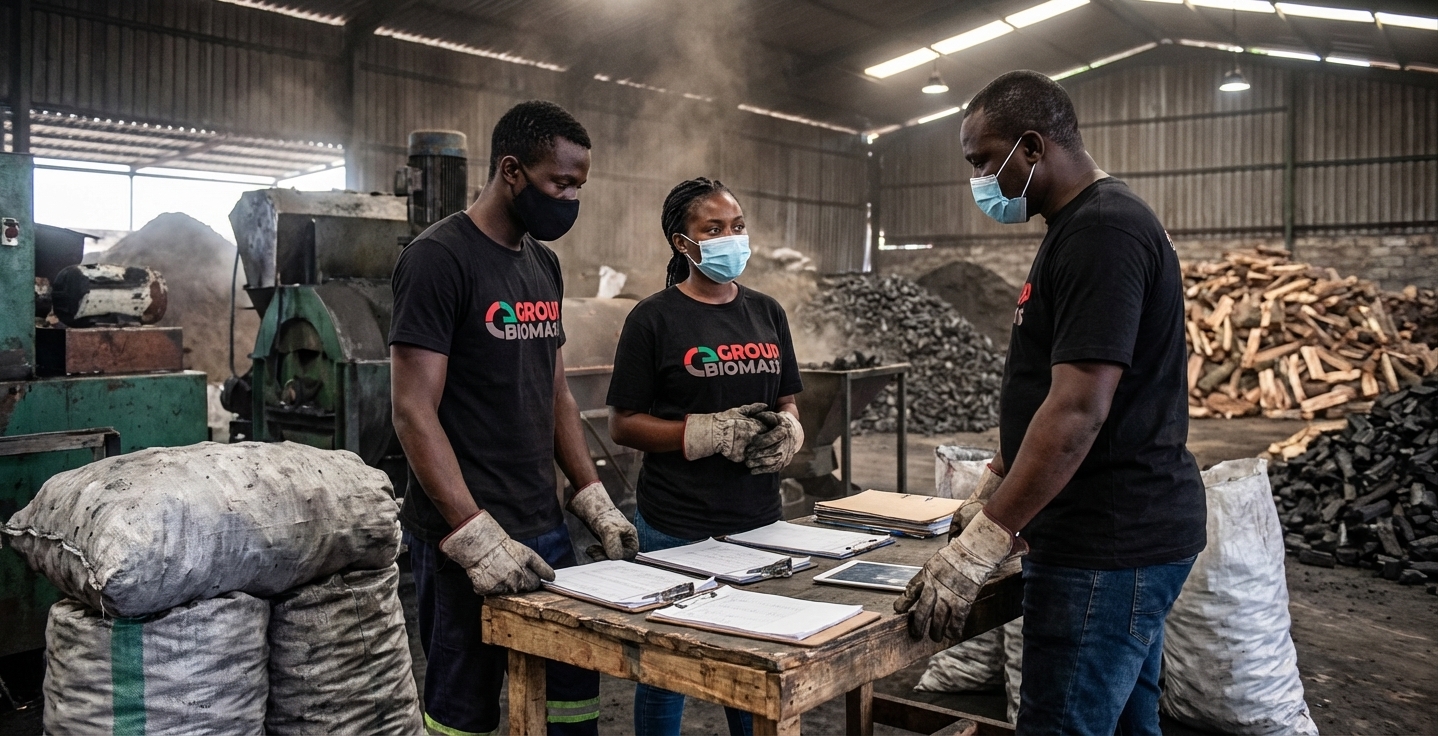
Deep within the country, a significant operation stands as a representation to the increasing demand for wood fuel . This industrial complex, reportedly the region’s biggest wood factory , is raising attention for both its size and the potential environmental impact . While creating jobs for local communities, the plant’s processes are triggering concerns about sustainable forest management and the future well-being of the country's forests .
Natural Lump Charcoal Export Boom: The Emerging Star
Cameroon is seeing a significant surge in hardwood lump charcoal shipments, positioning itself as a key player in the global industry. Thanks to increasing demand from the United States and Pacific countries, the region’s supply of this sustainable fuel is quickly expanding, offering promising prospects for Cameroonian communities and boosting the national economy. The emphasis on sustainably sourced wood granulated carbon is proving to be a critical aspect in securing global investors.
Inside Cameroon’s Hardwood Lump Charcoal Factory: Production & Sustainability
Stepping across a common Cameroon timber lump carbon factory reveals a rather straightforward process of production. Raw trees, often sourced from sustainable forests, are meticulously felled and moved to a kiln. Within this area, the lumber is slowly cooked with limited oxygen, a method that transforms it to lump charcoal. Despite the established methods applied can be demanding, growing modern factories are adopting better systems and trying methods to enhance the output and nature sustainability. This encompasses investing in clean power and applying thorough debris management approaches.
Cameroon's Wood Charcoal Industry : A Key Player in International Shipments
Despite mounting environmental concerns , Cameroon’s lump charcoal industry remains a surprising but vital contributor in the global sales landscape. The manufacture of charcoal from forest biomass is a important foundation of income for countless of local communities, particularly in underserved regions . This practice generates a substantial volume of wood charcoal heading for overseas destinations , often fueling energy needs in other countries , though this reliance creates challenges relating to deforestation and eco-friendly forest protection.
Le Entre Charbon de Bois En Bloc de Bois Dur et Les Briquettes Une Regard Camerounaise
Au Cameroun, , le sélection entre un charbon de bois massif et des briquettes soulève une question . Traditionnellement, , le charbon de bois dur a toujours été préféré afin de son saveur authentique et sa qualité de donner une chaleur élevée , idéale pour la rôtisseries traditionnelles . Toutefois, des combustibles, plus faciles à obtenir et moins économiques , gagnent à popularité , surtout chez les régions urbaines .
Sustainable Charcoal Production : The Outlook of Cameroon's Timber Sector
The conventional get more info method of charcoal production in Cameroon presents a significant problem to its valuable hardwood forests . However, emerging sustainable approaches offer a hopeful path forward. These include technologies like biomass waste gasification and kiln-less earth systems, which reduce deforestation, decrease emissions, and create livelihood opportunities for local populations . Embracing these sustainable solutions is essential to safeguarding Cameroon's natural heritage and guaranteeing the long-term future of its hardwood business while tackling climate change .
Report this page